
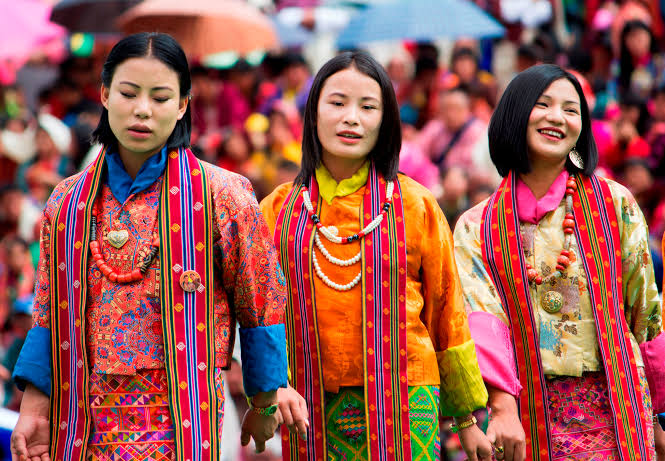
Bhutan's global reputation as the 'Land of Happiness' stems from its pioneering development framework known as Gross National Happiness (GNH). First conceptualized in the 1970s by the Fourth King, Jigme Singye Wangchuck, GNH challenges conventional global economic measures like Gross Domestic Product (GDP) by asserting that true progress occurs only when economic development aligns harmoniously with spiritual, cultural, and environmental well-being.
The Gross National Happiness framework is anchored by four fundamental pillars: Sustainable and Equitable Socioeconomic Development, Environmental Conservation, Preservation and Promotion of Culture, and Good Governance. These four pillars are further divided into nine domains—including psychological well-being, health, education, time use, cultural diversity, living standards, and community vitality—which directly inform government policy and national budgeting.
Environmental stewardship is a prime example of GNH in action; Bhutan's constitution mandates that a minimum of 60% of the country's total land area remain under forest cover for all time (currently standing at over 70%). This commitment makes Bhutan not only environmental conscious but certified carbon-negative, absorbing far more carbon dioxide than its industries produce.
This insightful guide explains the core principles of Gross National Happiness, how GNH impacts daily life and tourism policies, the scientific measurement of national well-being, and how visitors can experience the genuine tranquility and contentment that define life in Bhutan.
Enter Your Information Below